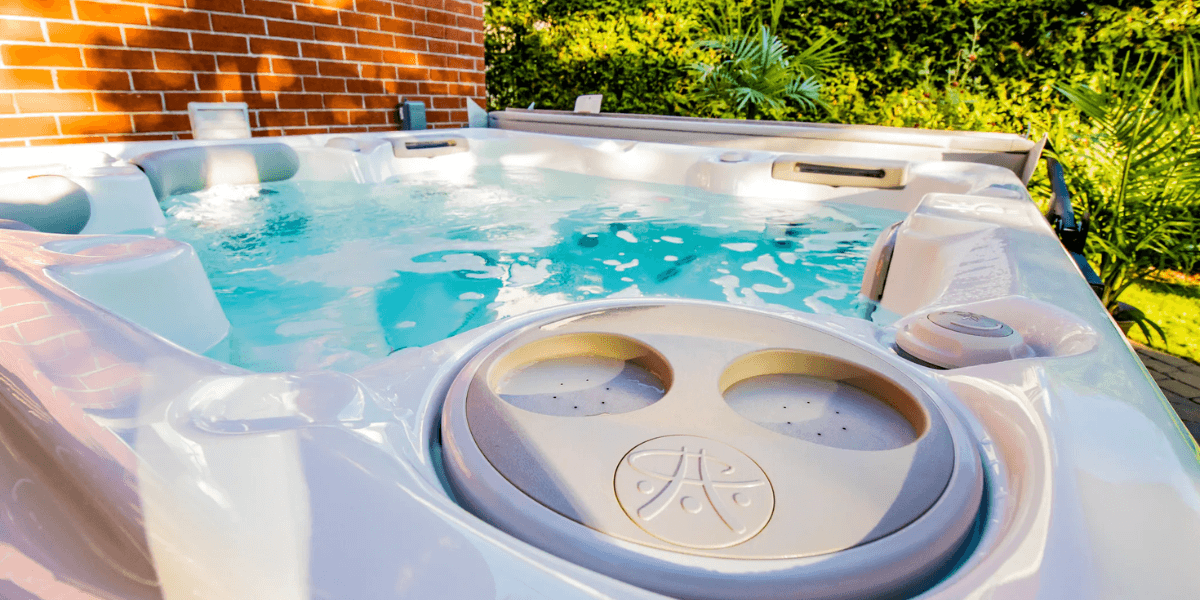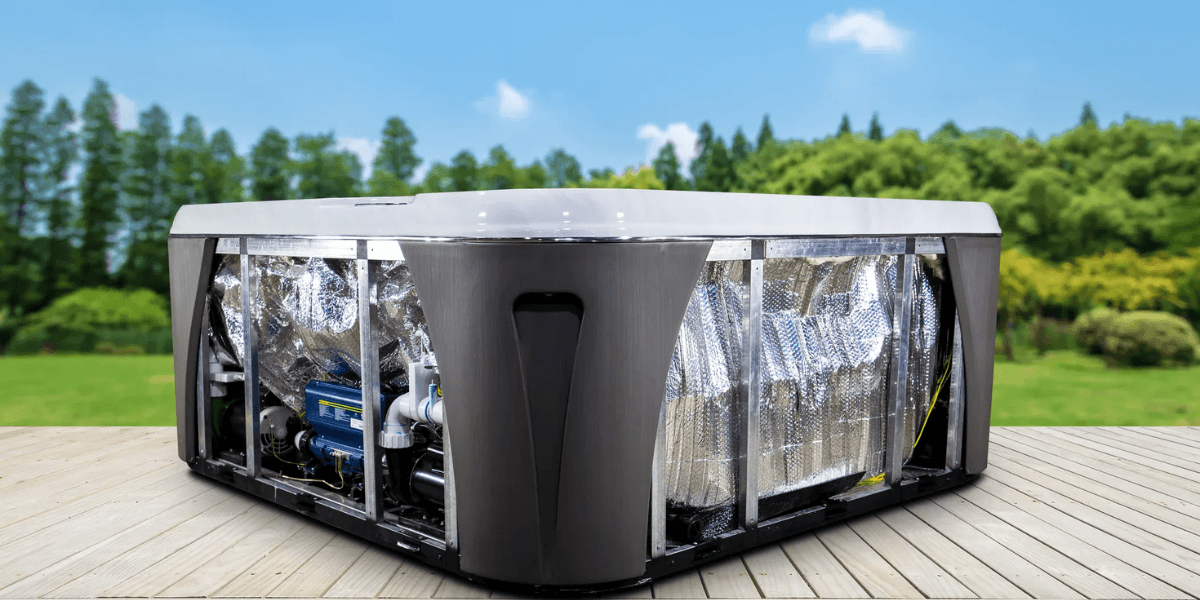

You’ve invested in a hot tub for relaxation, recovery, and daily wellness. The last thing you want is an invisible electrical issue quietly undermining that investment. Most hot tub owners spend time thinking about water chemistry, maintenance, and jet performance, but very few give much thought to voltage stability in hot tubs.
That’s a gap worth closing, because what’s happening inside your electrical system directly impacts how well your spa performs and how long it lasts.
What Voltage Stability Actually Means
Voltage stability refers to how consistently your electrical system delivers power to your hot tub over time. A stable supply means your tub receives consistent voltage and reliable power that match its design specifications. When that supply fluctuates, either dipping too low or spiking too high, multiple components in the system can be affected.
Your hot tub’s heater, pump, control board, and jets all draw power simultaneously. Each one is engineered to operate within a specific voltage range, and when that range is disrupted, Multiple components may experience increased stress. This is why stable voltage is important for hot tub performance; it’s about more than just keeping the lights on. It is about protecting your tub from unnecessary strain.
What Your Hot Tub Actually Needs Electrically
Many full-featured hot tubs operate on 240 volts and may require a dedicated 30–60 amp circuit, depending on the model and manufacturer specifications. These hot tub electrical requirements aren’t flexible guidelines; they’re technical specifications that ensure your tub heats efficiently, your jets run at full power, and your control systems function as designed.
A proper installation also includes a dedicated circuit breaker, a Ground-Fault Circuit Interrupter (GFCI), and proper grounding and bonding of all metal components near the tub. The GFCI is particularly important; it cuts power instantly when a fault is detected, making it a critical layer of electrical safety for hot tubs that should never be skipped or replaced.
Getting this foundation right matters more than most people realize. A tub that’s wired correctly from day one runs better, lasts longer, and gives you far fewer problems down the road.
What Happens When Voltage Is Unstable
This is where things get serious. Voltage instability tends to cause damage gradually, which means you often won’t notice something is wrong until a component has already failed. Understanding how voltage fluctuations damage hot tub systems helps you catch warning signs early, before they lead to costly repairs.
Here’s what unstable voltage does to your hot tub over time:
The Heater Is One of the Most Affected Components
Your heater is one of the biggest power consumers in the system and one of the most sensitive to electrical irregularities. When the voltage drops, the heater produces less heat, leading to longer heating times and potentially increased operating stress on the system. Repeated overvoltage conditions can overheat components and shorten heater life.
The Control Board Suffers Silently
The control board manages everything from temperature to jet settings to lighting. Spa voltage issues that seem minor can cause control board malfunctions or damage sensitive electronic components over time. Replacing a control board is one of the more expensive repairs a hot tub owner can face, and in most cases, it’s entirely preventable.
The Pump Wears Out Faster
Your pump motor is built to run at a specific voltage. Low voltage levels can reduce the motor’s efficiency and performance, cause excessive current draw, and lead to overheating. Too much voltage can damage the motor windings. In both cases, pump performance declines, the jets lose pressure, and the motor eventually fails ahead of schedule.
Breakers Keep Tripping
If your hot tub regularly trips its circuit breaker, that’s a clear sign of a problem with its power supply. It may indicate an overloaded circuit, a failing component, wiring problems, ground faults, or voltage-related issues that the system can’t sustain. It’s worth investigating early rather than waiting for something to break entirely.
Everything Ages Faster
Chronic voltage instability can shorten the lifespan of electrical components and increase repair needs over time. Seals, sensors, lighting, and wiring all take a toll when the electrical environment is inconsistent. Chronic electrical problems can accelerate wear and shorten the lifespan of components.
Blue Wave Spas carries a curated selection of Kaysville spas and hot tubs from trusted brands engineered for long-term reliability. The team can help you understand each model’s electrical requirements, so you can plan your setup properly before installation day.
Why Low Voltage Is the Most Common Culprit
Among voltage-related issues, low voltage is one of the more common problems. The low-voltage effect on spa performance starts subtly; maybe the water takes longer to heat up, or the jets don’t feel as strong as they used to. Over time, those subtle signs become more obvious, and by then, components may already be experiencing increased wear.
Low voltage typically comes from a shared circuit with other high-draw appliances, wiring that’s too thin for the distance between the panel and the tub, or an older utility supply that can’t consistently deliver what modern equipment needs. A licensed electrician can measure the voltage at your tub’s disconnect box while the system is running to confirm what it’s actually receiving.
Setting Up Your Hot Tub Electrical System the Right Way
The best electrical setup for hot tubs at home includes several essential components that work together to ensure safe and reliable operation while helping prevent common hot tub power supply problems:
- A dedicated 240-volt circuit sized to match the hot tub’s amperage requirements
- A properly rated GFCI breaker or disconnect to provide critical shock protection
- A lockable disconnect switch positioned within sight of the spa for safe maintenance and emergency shutoff
- Properly sized copper wiring running from the electrical panel to the hot tub
- Correct bonding and grounding of nearby metal components to reduce electrical hazards
- Installation that complies with manufacturer specifications and local electrical codes
- Professional testing of all connections to identify and prevent potential hot tub power supply problems before the spa is put into service
Each component plays an important role in the overall system. Skipping important installation steps can compromise safety concerns, reduce performance, or lead to future electrical issues. Hiring a licensed electrician is the most reliable way to ensure your hot tub is installed to code and functions safely for years to come.
Conclusion
Voltage stability is one of those things you never think about until something goes wrong, and by then, the damage may already have occurred. A stable, properly sized electrical supply keeps your hot tub heating efficiently, your jets performing at their best, and your components lasting as long as they were designed. Getting the electrical setup right from the start is one of the simplest ways to protect a significant investment and enjoy your tub without interruption for years to come.
Explore Blue Wave Spas’ full lineup of hot tubs for sale in Kaysville, and connect with a team that helps you find the right tub and plan the electrical setup to keep it running at its best.