You step into a hot tub, the jets kick on, and warm water swirls around you. It feels clean, heated, and perfectly ready. It all seems effortless, but a lot is happening beneath the surface. Behind every great soak is a system of pumps, pipes, and filters running around the clock to keep your water safe and comfortable.
Most hot tub owners rarely think about this until something goes wrong. Understanding how hot tub pumps work helps you care for your spa smarter, catch early warning signs, and make better decisions when choosing a model that fits your lifestyle and wellness needs.
What Is a Hot Tub Pump?
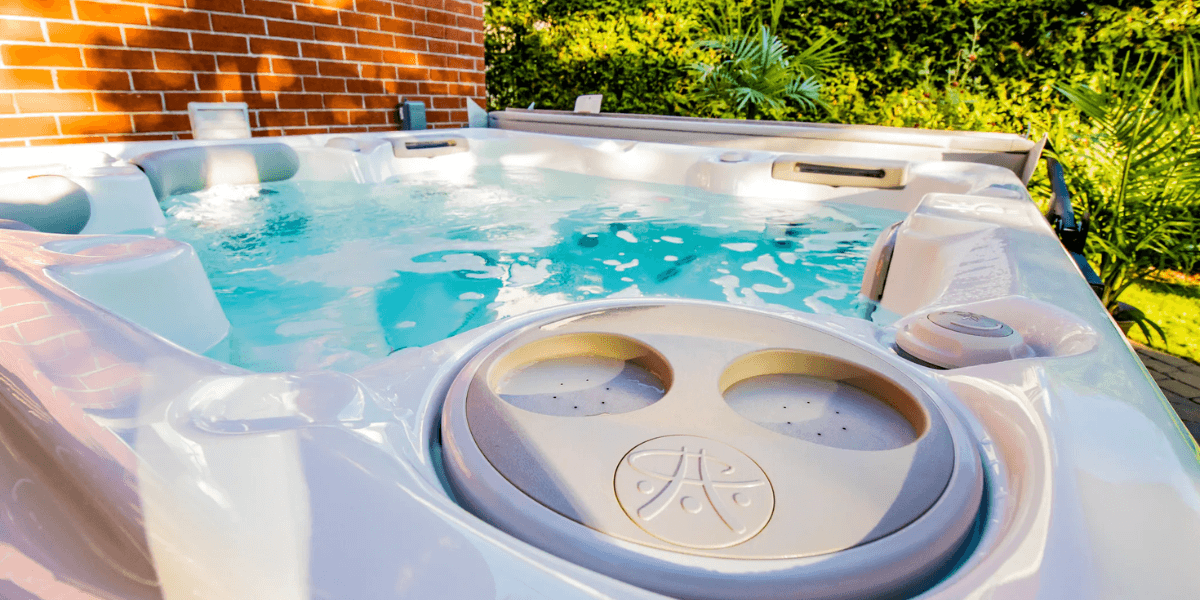
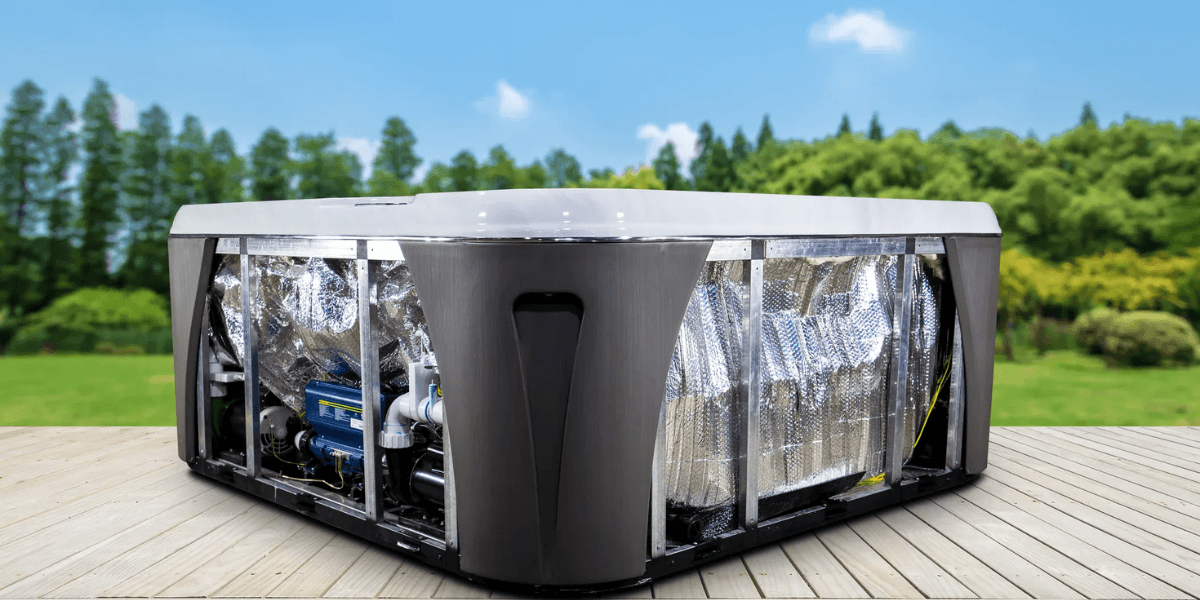
A hot tub pump is an electric motor that moves water through the spa’s internal system. It serves two core roles: powering the jets during a soak and supporting water circulation through either a dedicated circulation pump or scheduled filtration cycles, depending on the spa design. Both functions work together to keep your water clean, warm, and ready at all times.
Pumps are rated in horsepower, and getting the right amount matters more than most people realize. Too little and you will not feel much from the jets. Too much, and you are spending more on electricity than necessary. The goal is to strike the right balance between performance and efficiency for your specific lifestyle.
The Hot Tub Water Circulation System: Step by Step
To understand how water flows in a hot tub, picture a continuous loop running through the entire spa. Water gets pulled in, cleaned, heated, and returned through the jets over and over again. In many modern spas, this circulation cycle runs continuously or on programmed filtration schedules, depending on the design.
Here is how that cycle actually works:
Step 1: Water Enters Through the Suction Ports
Suction inlets draw water from the tub shell into the plumbing. These are the starting points of every circulation cycle. Their placement affects how evenly water gets drawn from the entire tub.
Step 2: The Pump Moves Water Forward
An impeller inside the pump is a fast-spinning internal component that creates the pressure needed to push water through the system. Low-speed circulation runs quietly in the background, while jet mode kicks everything into full power.
Step 3: Water Passes Through the Filter
During normal filtration cycles, water is routed through the filter, where debris, hair, and other contaminants are removed. Without this step, sanitizers would have to work far harder to keep the water safe and clear.
Step 4: The Heater Warms the Water
After filtering, water moves through the heater and returns to your set temperature. Regular circulation allows this heating process to occur gradually and steadily, which is far more energy-efficient than reheating cold, settled water.
Step 5: Water Returns Through the Jets
Water re-enters the tub through the jets and return outlets. During a soak, you feel the hydrotherapy effect. During idle circulation, the return remains active but quieter, keeping everything moving and treated.
Step 6: The Cycle Repeats
The circulation system repeatedly circulates water throughout the day to help maintain consistent cleanliness and temperature. Proper circulation minimizes stagnant areas and helps keep water moving throughout the spa, which is exactly what keeps the water consistently clean.
Thinking about upgrading your spa? Blue Wave Spas carries a thoughtfully selected range of Hydropool spas and hot tubs, built with advanced pump systems designed for long-term efficiency. If you are exploring hot tubs for sale in Kaysville, browse our selection and find the right fit for your home!
How Jets Circulate Water in a Spa?
It goes beyond the massage effect most people focus on. When jet pumps activate, they push water through the nozzles at high pressure, creating turbulence that helps distribute sanitizers more evenly and reduces the likelihood of stagnant areas.
The number and placement of jets also influence circulation efficiency. This is why the hot tub plumbing layout matters just as much as pump power. Even the most powerful pump cannot compensate for poor pipe routing or jets that leave sections of the tub under-circulated.
Why Is Continuous Water Circulation Important in Hot Tubs?
The simplest answer is that stagnant water breeds bacteria. Prolonged periods of poor circulation can allow contaminants and microorganisms to accumulate, reducing the effectiveness of water treatment. Circulation helps keep sanitizers and other water-treatment chemicals evenly distributed throughout the spa.
Beyond sanitation, consistent circulation provides several important benefits:
- Even temperature: Helps minimize temperature variations throughout the tub
- Filter longevity: Processing small amounts of debris continuously is far easier than handling large buildups
- Reduced chemical use: Good circulation helps sanitizers distribute evenly, improving their effectiveness and reducing the likelihood of localized water-quality issues
- Heating efficiency: Maintaining temperature is far more energy-efficient than reheating a neglected tub
A spa without proper circulation costs more in chemicals, energy, and maintenance time over the long run.
How the Hot Tub Filtration and Pump System Works Together?
The pump and filter are not separate systems. They are one continuous loop, and neither works well without the other. It comes down to flow. The pump generates pressure that draws water through the filter media, which traps particles, returning cleaner water to the tub.
When the filter gets clogged, the flow drops and the pump has to work harder to compensate. Keeping your filter clean is not optional maintenance. It is essential to the entire system functioning as it should. Some modern hot tubs take this further with self-cleaning technology built directly into the design.
According to Hydropool, its Signature Collection self-cleaning system filters the spa’s entire water volume every 15 minutes, helping maintain cleaner water with far less manual upkeep. Curious how that works in practice? The Hydropool® features page explains the engineering in detail.
Signs Your Pump May Need Attention
A reliable pump still sends warning signs occasionally. Catching them early makes a real difference in repair costs and water quality.
- Unusual noise: Grinding, humming, or gurgling usually points to a clogged impeller, restricted filter, or worn bearings
- Weaker jet pressure: If the flow feels reduced, the pump may not be moving the water volume it should
- Water quality decline: Poor circulation leads to uneven chemical distribution, even when test levels look fine
- Airlock after refilling: Trapped air prevents the pump from priming and moving water properly
When in doubt, a service professional is always the right call over diagnosing pump issues without the proper tools.
Conclusion
A hot tub pump does far more than power your jets. It is the engine behind clean water, consistent temperature, and everything that makes a soak feel effortless. Understanding your hot tub water circulation system helps you maintain it properly, spot issues early, and invest in a spa that delivers lasting value.
Clean water does not happen by accident. It depends on a well-designed circulation system that continuously or regularly moves water through filtration and heating components.
Looking for premium spas and hot tubs in Kaysville that combine comfort, performance, and easy maintenance? Blue Wave Spas offers a carefully selected range of Hydropool hot tubs designed to deliver an exceptional spa experience. Let our team help you discover the newest models, evaluate their features, and choose the ideal hot tub for your lifestyle and backyard!