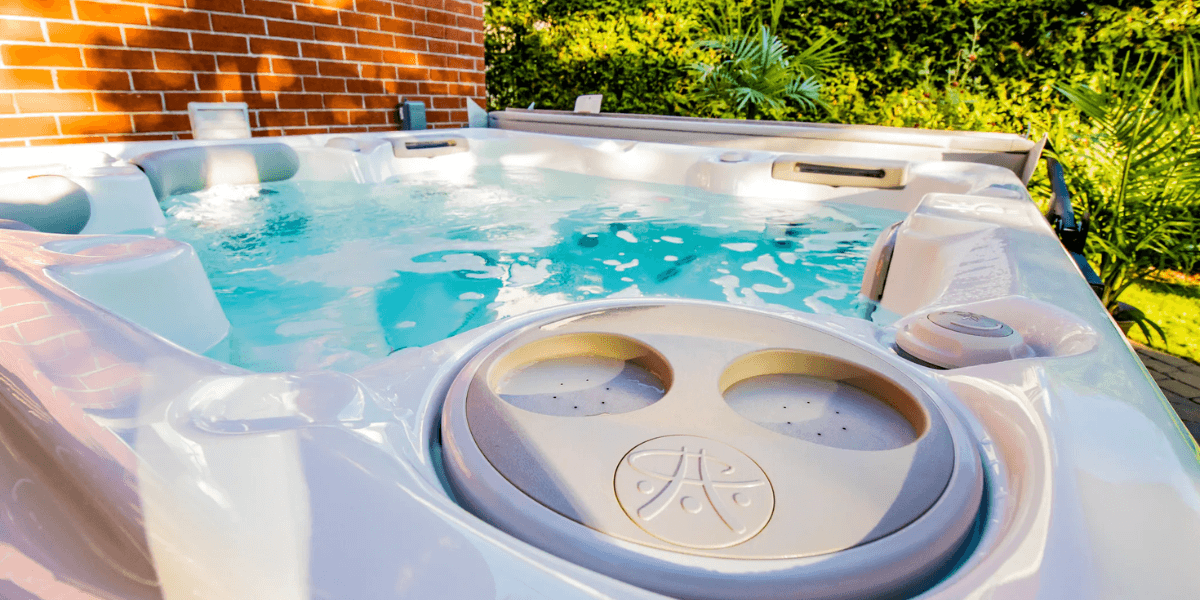

Millions of people struggle to fall asleep at night, and for those dealing with chronic insomnia, the exhaustion goes far beyond feeling tired. It affects mood, concentration, physical health, and overall quality of life. While prescription sleep aids get most of the attention, there is a surprisingly effective natural solution that many people overlook: a hot tub.
Warm-water soaking is supported by research suggesting it may help some people fall asleep faster and improve perceived sleep quality. If you have been searching for a gentler, more enjoyable path to better sleep, this guide is worth reading all the way through.
Understanding Insomnia and Why It Feels So Hard to Fix
Insomnia is not simply the inability to fall asleep. For many people, it involves waking repeatedly through the night, lying awake for hours despite exhaustion, or rising far too early without being able to return to sleep. Stress, anxiety, chronic pain, and irregular schedules are among the most common contributors.
What makes insomnia particularly frustrating is that the more you force yourself to sleep, the more awake you may feel. The body interprets effort and tension as a signal to stay awake. This is one reason why passive, relaxing interventions like warm-water soaking may help some people prepare for sleep. They calm the nervous system without requiring any conscious effort at all.
The Science Behind Hot Tub Benefits for Sleep
Sleep researchers have studied the relationship between body temperature and sleep onset for decades. The core finding is consistent: your core body temperature needs to drop slightly for your brain to initiate deep sleep.
When you soak in a hot tub, your body absorbs heat, and blood circulation moves toward the skin’s surface. When you step out of the water, that heat dissipates rapidly, triggering a faster drop in core temperature. The brain interprets this cooling as a signal of sleep readiness, which may make it easier to fall asleep.
How Hot Tubs Improve Sleep Quality Naturally?
It comes down to several interconnected effects that happen simultaneously during a soak. Here is what is actually happening when you settle into warm, jetted water before bed:
Temperature regulation
The post-soak cooling effect may help promote faster sleep onset by signaling the body that it is time to rest.
Muscle relaxation
Warm water and jet massage release tension held in the neck, shoulders, back, and legs, one of the most common physical barriers to sleep.
Nervous system support
Hydrotherapy for sleep activates the parasympathetic nervous system, slowing the heart rate and shifting the body out of its stress response.
Anxiety relief
The soothing warmth and buoyancy of a hot tub may help reduce stress and mental tension that can interfere with sleep, helping keep insomnia sufferers awake.
Routine reinforcement
Soaking at the same time each evening trains the brain to associate the ritual with sleep, strengthening the body’s natural wind-down response over time.
Hot Bath vs Hot Tub Sleep: Comparing the Benefits
Many people wonder about the difference between hot bath vs hot tub sleep benefits. Both rely on the same temperature mechanism, but they are not identical. A hot tub maintains a steady, programmable temperature and delivers therapeutic jet pressure throughout the soak. For people with chronic insomnia or musculoskeletal pain that disrupts sleep, this distinction matters considerably.
| Feature | Hot Bath | Hot Tub |
|---|---|---|
| Temperature control | Cools quickly, no regulation | Steady, programmable temperature |
| Jet massage | None | Targeted therapeutic jets |
| Soak duration | Limited before water cools | Consistent as long as needed |
| Relaxation response | Effective relaxation | Enhanced relaxation through sustained warmth and hydrotherapy |
| Best for insomnia | May support sleep quality | May provide additional comfort and relaxation benefits |
The sustained warmth and hydrotherapy jets may provide a more immersive relaxation experience than a typical bath, making it especially valuable for those dealing with chronic sleeplessness.
Does a Hot Tub Help You Sleep Better?
Research suggests that passive body heating before bedtime may help you fall asleep more quickly and improve certain measures of sleep quality. Some studies have found that participants who used warm-water immersion before bed reported improvements in sleep onset and overall sleep quality. Consistent use as part of a healthy bedtime routine may help reinforce sleep-promoting habits over time rather than a single one-night improvement.
If you wish to add a hot tub to your wellness routine, Blue Wave Spas is the best local hot tub store in Kaysville, Utah, carrying premium hot tubs and spas designed for year-round therapeutic use. Let our team help you find the perfect fit!
Best Time to Use a Hot Tub for Better Sleep
Timing matters more than most people realize. The best time is approximately 90 minutes to two hours before bed. This window gives your body enough time to absorb heat during the soak and complete the natural cooling process before you lie down.
Soaking too close to bedtime may actually work against you. Your core temperature will still be elevated when you get into bed, making it harder to settle. A 15- to 20-minute soak within that 90-minute window is sufficient for most people, and consistent timing delivers far better results than any single lengthy session.
Can Soaking in a Hot Tub Cure Insomnia?
For stress-related or lifestyle-related sleep difficulties, regular hot tub use may provide meaningful relief for some individuals. However, chronic insomnia often requires a broader treatment approach and should be discussed with a healthcare professional. For insomnia tied to clinical conditions, a hot tub can serve as a complementary wellness tool when used alongside professional guidance.
To get the most from the hot tub benefits for sleep, keep the lighting dim in the evening, stay off your phone during and after the session, and pair this habit with other sleep-supporting practices, such as limiting caffeine after midday. For those exploring the full health benefits of hydrotherapy, understanding how each element of your routine works together can make the experience even more effective.
Conclusion
Sleep is a biological necessity, and insomnia deserves real solutions. A hot tub offers a natural, research-supported way to help your body and mind prepare for sleep and relaxation. Through temperature regulation, muscle relaxation, and the power of a consistent nightly ritual, regular soaking can meaningfully improve how well you sleep and how well you feel each day. The best part is that it actually feels good getting there.
Blue Wave Spas makes it easy to take that first step. As trusted hot tub dealers in Kaysville, we carry premium swim spas and saunas built for wellness and long-term comfort. Connect with our team to find the perfect spa today!