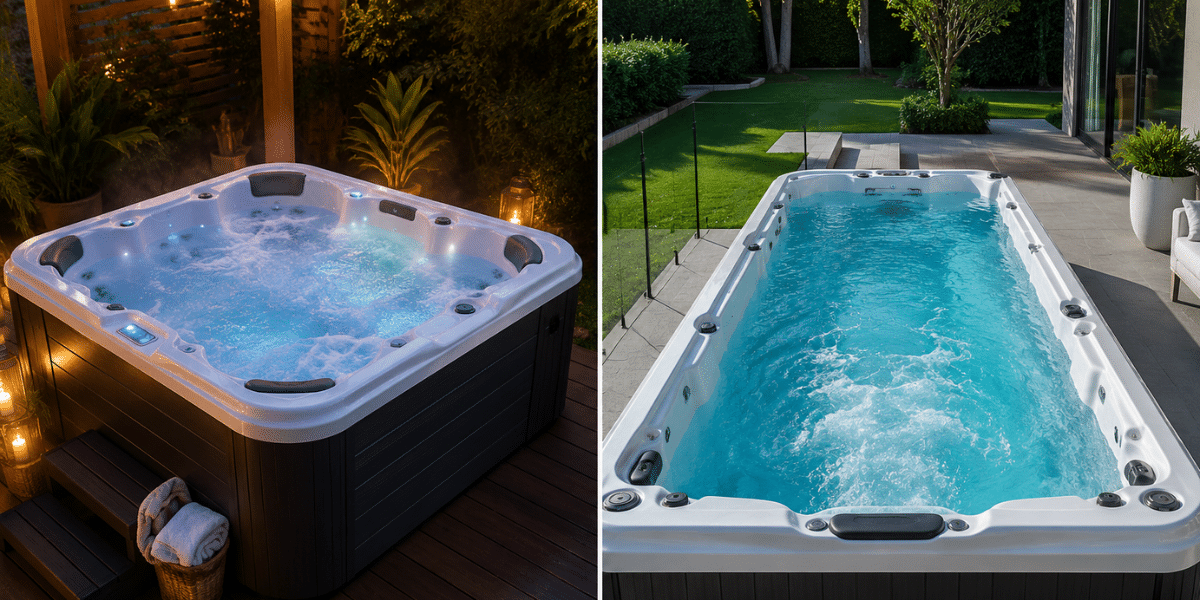

Owning a swim spa offers a unique mix of fitness, relaxation, and family enjoyment throughout the year. Consistent care plays a major role in protecting that experience. Water that looks clear at a glance may still contain imbalances that affect comfort, safety, and equipment performance. Understanding the basics of swim spa maintenance helps owners protect their investment while ensuring every session feels refreshing and safe.
This guide explains how water quality works in a swim spa, why it matters, and how a structured routine supports long-term performance.
Why Water Quality Matters
Water quality affects every part of a swim spa system. Balanced water protects users, preserves internal components, and keeps maintenance predictable. Poorly maintained water often leads to a cloudy appearance, unpleasant odors, and irritation to the skin or eyes. Over time, imbalanced water can also damage pumps, heaters, seals, and plumbing.
Healthy water discourages bacteria and algae growth, supports efficient filtration, and reduces wear on mechanical parts. A consistent care routine lowers the risk of unexpected repairs and keeps operating costs under control. Maintaining water quality is not only about appearance, but also about safety and reliability.
Daily and Weekly Swim Spa Maintenance
A simple schedule makes water care manageable. Small, regular actions prevent larger problems later.
Daily Care Essentials
Daily attention focuses on observation and basic upkeep. Water should appear clear and free of debris. Floating leaves, insects, or dirt should be removed promptly to avoid clogging filters or breaking down into contaminants. The spa cover should remain securely in place when the unit is not in use, helping retain heat and limiting debris and sunlight exposure.
Weekly Care Essentials
Weekly tasks involve testing and adjustment. Chemical levels should be checked using test strips or a liquid testing kit. pH, sanitizer, and alkalinity readings provide insight into overall balance. Filters should be inspected and rinsed if buildup is visible. Circulation systems should run for the recommended number of hours to distribute chemicals evenly and prevent stagnant water.
Following a steady routine keeps hot tub water care predictable and reduces the likelihood of sudden water quality issues.
Key Water Quality Tips for Swim Spa Owners
Water balance relies on several factors working together. Each element supports the others, creating a stable and comfortable environment.
Sanitization remains the foundation of water care. Chlorine or bromine controls bacteria and organic contaminants introduced through use. pH balance affects comfort and sanitizer efficiency, with most swim spas performing best when pH stays between 7.2 and 7.8. Total alkalinity helps stabilize pH and reduces rapid fluctuations that strain both water and equipment.
Weekly shock treatments oxidize contaminants that sanitizers cannot remove alone. Filters require regular cleaning to maintain proper flow and debris removal. Water levels should stay within the manufacturer’s recommended range to protect pumps and heaters. Temperature settings also influence chemical effectiveness, making consistency important.
Applying these water quality tips consistently supports clear, comfortable water that remains safe for regular use.
Using Pool and Spa Chemicals Responsibly
Chemical products play a critical role in water care, though proper handling and dosing matter just as much as product choice. Pool and spa chemicals are designed to work together when used correctly.
Sanitizers target harmful microorganisms. pH increasers and reducers adjust acidity levels for comfort and equipment protection. Alkalinity buffers prevent sudden pH shifts. Shock treatments remove organic buildup that dulls water clarity. Clarifiers help bind tiny particles so filters can remove them more easily.
All chemicals should be added according to the manufacturer’s instructions, with water circulation running to distribute them evenly. Storage areas should remain cool, dry, and well-ventilated. Mixing chemicals or adding them directly together can cause dangerous reactions and should always be avoided.
Recommended Chemical Levels for Swim Spa Water
Maintaining correct chemical ranges provides stability and comfort. pH should remain between 7.2 and 7.8 to reduce irritation and prevent scaling or corrosion. Total alkalinity typically performs best within 80 to 120 parts per million, supporting pH stability. Free chlorine levels generally stay effective between 1 and 3 parts per million, while bromine works efficiently at slightly higher concentrations.
Calcium hardness also matters, as low levels may cause corrosion and high levels contribute to scale buildup. Shock treatments follow product-specific guidance and usually occur weekly or after heavy use. Keeping these levels within recommended ranges simplifies overall care and protects spa components.
Filtration and Circulation
Filtration and circulation form the mechanical backbone of water quality. Without proper movement and debris removal, even well-balanced water can deteriorate quickly.
Filtration Practices
Filters trap dirt, oils, and fine particles. Weekly rinsing removes surface buildup, while monthly deep cleaning restores full performance. Filters eventually wear out and require replacement according to manufacturer recommendations.
Circulation Practices
Circulation pumps move water through filters and distribute chemicals evenly. Running the system daily prevents stagnation and temperature layering. Jets should function properly to maintain a consistent flow throughout the spa. Timers help automate circulation and ensure consistency without daily manual adjustments.
Together, filtration and circulation support clean spa water by keeping contaminants under control and chemical balance evenly distributed.
Seasonal and Long-Term Maintenance
Beyond daily and weekly care, periodic maintenance keeps a swim spa operating efficiently over time.
Water should be drained and replaced every three to six months, depending on usage frequency and bather load. Draining allows for deep cleaning of interior surfaces using non-abrasive products that protect finishes. Equipment inspections help identify leaks, worn seals, or unusual noises before they become costly repairs.
Cold-weather care requires additional attention. Insulated covers, consistent water temperature, and proper circulation protect plumbing and components during the winter months. Owners in Utah often rely on local expertise when preparing for seasonal changes. Retailers like Blue Wave Spas, offering hot tubs in West Haven, Utah, frequently provide guidance, supplies, and support tailored to regional conditions.
Accessories That Support Water Quality
Helpful accessories reduce manual effort and improve consistency. Floating dispensers provide steady sanitizer distribution. Automatic water levelers protect pumps by maintaining proper fill levels. Spa vacuums remove settled debris without draining water. Test strips and digital testers allow quick and accurate readings, supporting timely adjustments.
Adding the right tools streamlines maintenance and encourages regular care, making water quality easier to manage year-round.
Common Mistakes That Affect Water Quality
Many water problems stem from avoidable habits. Delaying chemical testing allows imbalances to worsen. Adding excessive chemicals may cause irritation or damage surfaces. Neglecting filters restricts circulation and reduces sanitizer effectiveness. Leaving debris in the water increases organic contamination and chemical demand. Avoiding these mistakes keeps maintenance predictable and extends the life of spa components.
Conclusion
Maintaining a swim spa involves more than occasional cleaning. Consistent attention to chemistry, filtration, and circulation protects water quality and supports long-term performance. Proper hot tub water care, thoughtful chemical use, and routine inspections work together to keep water clear, comfortable, and safe.
Owners who follow proven maintenance practices enjoy fewer disruptions and lower operating costs over time. For those seeking expert guidance, supplies, or equipment support, Blue Wave Spas offers assistance through locations serving spas and hot tubs in Kaysville, helping swim spa owners maintain their systems with confidence and ease.