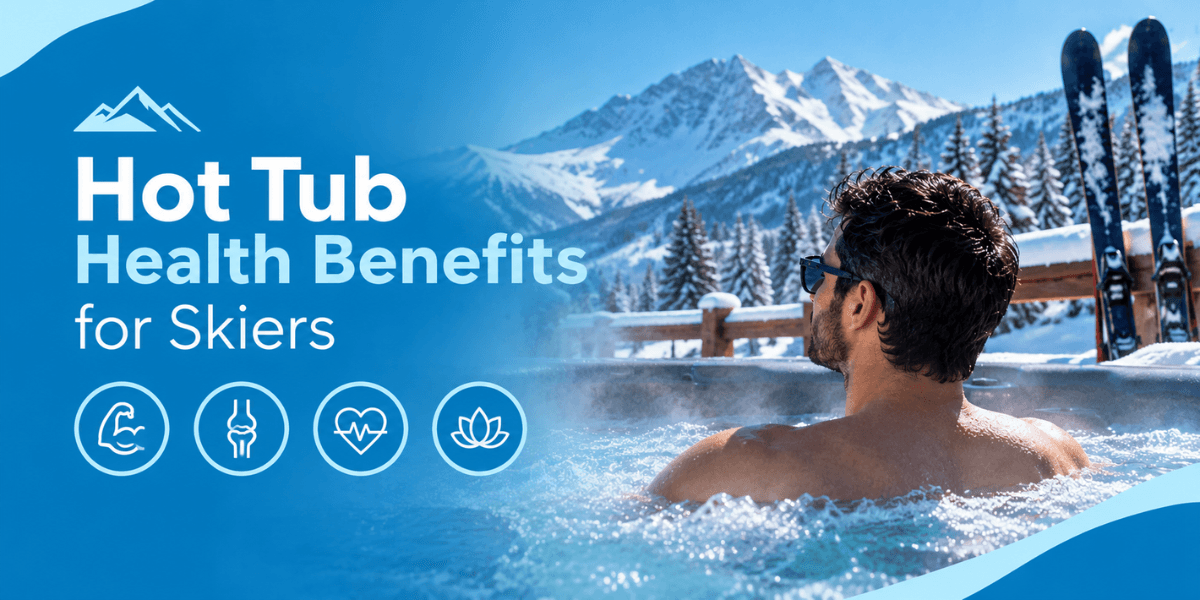
A ski day rarely announces its toll until later, once the boots come off and the adrenaline fades into a slow, spreading ache through the thighs and lower back. Hours of carving turns, absorbing bumps, and holding a squat-like stance take a real toll on muscles that most people rarely use this hard. This is exactly why using a hot tub after skiing has become such a familiar part of the après-ski routine for so many.
Warm water increases blood flow to immersed tissues and can provide temporary relief from the feeling of muscle stiffness after a demanding day on the mountain. For anyone chasing another full day on the slopes tomorrow, that kind of recovery matters more than it might seem.
What to Expect During Hot Tub Recovery After Skiing
Skiing is a full-body effort, even though it looks like it lives mainly in the legs. Your quads and hamstrings work constantly to control speed and absorb impact. Your core stabilizes every turn, and your lower back takes on strain from the forward-leaning stance skiers hold for hours at a time. Hot tub recovery works largely through two mechanisms: heat and buoyancy. The warmth increases blood flow to immersed tissues, while buoyancy reduces some of the weight-bearing load on the knees, hips and ankles.
Here is a quick breakdown of how timing affects the experience:
| Timing | What to Expect | Practical Approach |
|---|---|---|
| Immediately after skiing | Heart rate and body temperature may still be elevated | Cool down, rehydrate, and allow your body to settle first |
| Later the same day | Muscles may feel stiff or tired | A comfortable warm soak may help you relax and temporarily ease stiffness |
| Before the next ski day | Warm water may feel soothing | Keep the session comfortable and avoid excessive heat or prolonged soaking |
Recreational skiers and competitive racers rely on many of the same major muscle groups, although the intensity and duration of effort can vary substantially. A weekend skier working through moguls for a few hours and a racer training gates all afternoon may both end up with fatigue or stiffness in the legs and lower back.
Key Benefits of a Hot Tub After Skiing
Using a hot tub for sore muscles after skiing works because warm water does two things at once. It relaxes tight tissue through heat, and it takes pressure off joints through buoyancy, which is a welcome relief after a day of repetitive turns and sudden stops.
- Eases stiffness in the quads, hamstrings, and lower back
- Reduces weight-bearing on the knees and ankles while you are immersed
- Increases blood flow to immersed tissues and may support relaxation after exercise
- May reduce delayed onset muscle soreness, the ache that typically peaks a day or two after intense activity
- May promote relaxation and support aspects of sleep after a physically demanding day
Warm-water immersion is only one part of post-ski recovery. Adequate rest, hydration, nutrition and appropriate activity levels also matter.
Every outdoor sport puts its own stamp on the body, and skiing is no exception. Blue Wave Spas has put together a closer look at hot tub benefits for athletes, showing how consistent recovery habits carry over across different types of training. Learn more by reading our guide, then explore our selection of hot tubs to find the right option for creating a relaxing retreat at home.
How Long Should Skiers Soak?
Getting the timing and duration right makes a real difference to how effective a soak actually is. Two things matter most: how warm the water is and how long you stay in.
Ideal Water Temperature
Hot-tub water should not exceed 40°C (104°F), according to the CPSC. Research on exercise recovery has used water temperatures around 40°C, but study conditions should not be treated as a universal ideal temperature for every skier or recovery session.
Recommended Soak Duration
There is no single evidence-based soak duration that applies to every skier. For a hot tub for skiers at the upper end of the permitted temperature range, keeping the session brief is a sensible precaution, particularly if you are tired or dehydrated.
Safety Tips for Skiers Using a Hot Tub
A few precautions go a long way when combining a day on the mountain with warm water recovery.
- Wait until your heart rate and body temperature have settled before getting in
- Rehydrate well, since skiing at altitude and warm water immersion both increase fluid loss
- Avoid combining a soak with alcohol, since this can increase dizziness and dehydration
- Step out slowly if you begin to feel lightheaded or overly warm
Skiers at higher elevations should be mindful of how altitude affects the body. Lower oxygen availability at altitude can increase breathing and cardiovascular demands, particularly before the body has had time to acclimatize. If you have a heart condition or another ongoing medical concern, speak with your doctor before using warm-water soaks regularly during a ski trip.
Frequently Asked Questions
1. What are the health benefits of using a hot tub after skiing?
The main draw is relief: warmth loosens tight muscles, and buoyancy takes weight off tired joints, which together can make it easier to wind down and sleep after a hard day on the slopes
2. Can a hot tub help relieve muscle soreness after skiing?
It can take the edge off. Soaking in warm water often loosens tight, overworked muscles enough to make the next morning’s stiffness feel more manageable, though it won’t necessarily shorten how long that soreness sticks around.
3. How long should skiers stay in a hot tub after a day on the slopes?
There is no single soak duration that is right for everyone. A brief, comfortable session is generally more sensible than prolonged exposure, particularly when the water is very warm.
4. Can hot tub therapy help with post-ski recovery?
It’s a useful piece of the puzzle rather than the whole fix. A soak can ease stiffness and help you unwind after a long day on the mountain, but it works best paired with rest, food, and water, not in place of them.
5. Is it safe to use a hot tub after skiing?
It is generally safe once your body has warmed up and your heart rate has settled after skiing. Stay well hydrated, keep the session to a sensible length, and avoid alcohol before or during your soak.
Bringing It All Together
The hot tub benefits for skiers are primarily associated with temporary relief from stiffness, reduced weight-bearing through buoyancy and relaxation after a demanding day. Warm-water immersion may also support aspects of sleep, although individual responses vary. Using a comfortable temperature, avoiding prolonged exposure and staying hydrated can make a post-ski soak a sensible part of a broader recovery routine.
A single soak will not carry you through an entire ski season, but a consistent recovery routine can help. Blue Wave Spas shares more on hot tub health benefits in winter, with practical pointers for staying loose and ready for every day you spend on the mountain. Read the full guide to see how a hot tub can fit into your winter routine, then browse our selection to find one for your home.