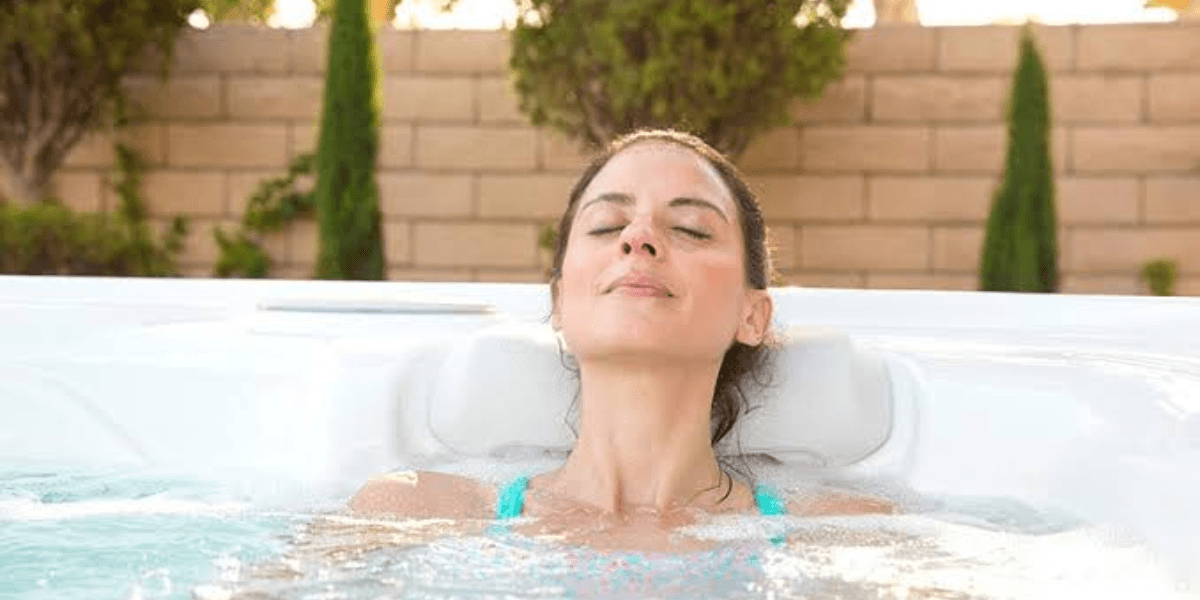

Migraines rarely follow a predictable script. One week, resting in a dark room works wonders, and the next, nothing seems to touch the pain. It makes sense that anyone dealing with frequent attacks would wonder whether soaking in warm water could help. The idea behind a hot tub for migraine relief sounds appealing, since heat relaxes muscles, water pressure eases tension, and the whole experience feels calming. But does the science actually back this up, or is it closer to folklore than fact? Here is a closer look at what research and medical experts currently understand about heat, hydrotherapy, and migraine symptoms.
What Happens in the Body During a Migraine?
A migraine attack involves complex interactions within the nervous system, including the trigeminovascular pathway. Trigeminal nerve signaling and the release of molecules such as calcitonin gene-related peptide (CGRP) contribute to pain and sensory sensitivity during an attack. Although changes in blood vessels can occur, migraine is not simply a disorder caused by blood-vessel dilation. These neural processes, along with heightened sensory sensitivity, help explain why migraine can involve throbbing pain and increased sensitivity to light, sound, and temperature.
How Heat Affects Blood Vessels and Pain Pathways
Heat causes blood vessels near the surface of the skin and in some deeper tissues to widen, a process called vasodilation. Researchers have documented cases of headaches triggered specifically by hot baths, although the underlying mechanism is not firmly established.
Separate research has also linked heat stroke with a measurably higher risk of developing chronic migraine over time. This does not mean every warm soak causes problems in the case of hot tub and migraines, but it explains why heat affects different people so differently.
Potential Benefits of Warm Water Immersion
Warm water may provide relief for some people, and there are physiological reasons why it might support relaxation and reduce muscle tension.
-
Direct Hydrotherapy Research
Research has also examined hydrotherapy specifically in people with migraine. A study of 40 people with chronic migraine found that participants receiving hot arm and foot baths at 103–110°F, plus ice massage to the head for 20 minutes daily over 45 days, experienced reductions in headache frequency and intensity.
-
Muscle Tension Relief in the Neck and Shoulders
Tight neck and shoulder muscles share a two-way relationship with migraine attacks, where tension can trigger a headache and a headache can leave those muscles tighter afterward. Heat increases blood flow to the area and helps relax that tension, which may ease one contributing factor even if it does not address the migraine mechanism directly.
-
Lower Cortisol and Stress Levels
A 2024 randomized crossover study involving 20 participants found that 30 minutes of hot-water immersion beginning at 39°C (102.2°F) produced significant reductions in salivary cortisol and anxiety after immersion.
These findings suggest that warm-water immersion may support short-term relaxation and stress reduction, although the small study does not establish that hot-tub use prevents migraine attacks. Reducing stress may still be useful for people whose migraines are influenced by stress. A short soak in the evening can be incorporated into a relaxation routine, provided heat does not worsen individual symptoms.
-
Reduced Sympathetic Activity
Water immersion can influence the autonomic nervous system. A 2022 study of nine healthy older adults found that 30-minute warm baths at approximately 40°C (104°F), five days a week for four weeks, reduced resting sympathetic nerve activity by about 20%, from 31.6 to 25.2 bursts per minute. The study did not examine migraines, but the findings suggest that repeated warm bathing may support relaxation.
-
A Physical Reset During Downtime
Beyond the biology, taking dedicated time to sit still, breathe, and disconnect from screens and stimulation gives the nervous system a break that can complement whatever else is part of a migraine management routine.
| Approach | Best Used For | What to Watch For |
|---|---|---|
| Warm water immersion | Muscle tension, stress-related headaches | Vasodilation may worsen some migraines |
| Cold compress | Acute attack, short-term pain relief | Can feel uncomfortable if applied too long |
| Heat pack on neck/shoulders | Tension-type and cervicogenic headaches | Avoid falling asleep with a heat source |
If you are considering a hot tub for headache relief, our guide can help you understand how heat and soaking may fit into your routine. Once you know what works for you, browse Blue Wave Spas’ selection of hot tubs and choose a model that suits your space and the way you plan to use it.
Tips for Trying Warm Water Therapy Safely
- If you decide to try warm-water therapy, start with a shorter session and a comfortable temperature, and stop if symptoms worsen.
- Stay well hydrated before and after using a hot tub, as dehydration can contribute to migraine attacks.
- If heat, hot showers, or warm weather have worsened your headaches before, treat “does hot tub help migraines” as an open question and discuss regular use with a doctor.
- For migraines associated with muscle tension, hot tub therapy for migraines may be worth trying cautiously, preferably between attacks rather than during an active migraine.
Frequently Asked Questions
-
Can a hot tub help relieve migraine symptoms?
For some people, yes, particularly when muscle tension in the neck and shoulders is part of what is driving the headache. Warm water can relax those muscles and lower stress hormones, though it does not work the same way for everyone.
-
Does soaking in a hot tub help with headaches?
Warm water may help some people with muscle tension or general discomfort, but evidence for direct migraine relief is limited. Heat can also worsen symptoms for some people.
-
Is hot tub therapy effective for migraine relief?
Evidence is mixed. Some research supports heat for muscle relaxation and stress reduction, both of which are migraine-adjacent benefits, but there is no strong clinical evidence proving hot tubs directly stop or prevent migraine attacks.
-
How does hot water affect migraine symptoms?
Hot water causes vasodilation, which may contribute to relaxation but can also worsen symptoms for some people during a migraine attack. Migraine involves complex neural and vascular mechanisms rather than blood-vessel changes alone. The effect genuinely differs for each individual.
-
Are there risks to using a hot tub during a migraine?
Yes, for some people. Adding heat during an active attack can increase vasodilation and intensify symptoms, and people with cardiovascular conditions or pregnancy should check with a doctor before regular hot tub use.
Final Thoughts
Heat therapy sits in an interesting middle ground for migraine sufferers. The research on warm water immersion supports real benefits for stress reduction, muscle tension, and sleep quality, all of which can play a supporting role in a broader migraine management plan. At the same time, the heat and vasodilation associated with hot-water immersion can worsen symptoms for some people, particularly during an active migraine. Paying attention to personal patterns, starting slowly, and talking with a doctor about individual triggers is the clearest way to find out where warm water fits into a personal routine.
Find out how a hot tub for stress and relaxation may fit into your routine by reading our guide, then take the next step with Blue Wave Spas. Browse our selection of hot tubs and choose a model that gives you a comfortable setting for unwinding at home.