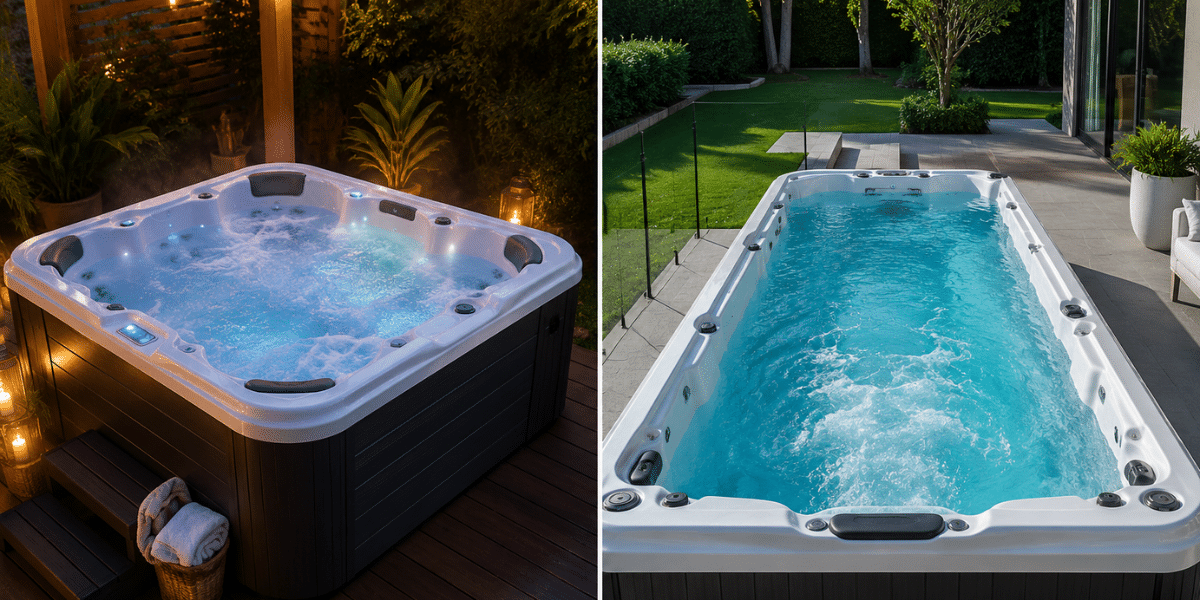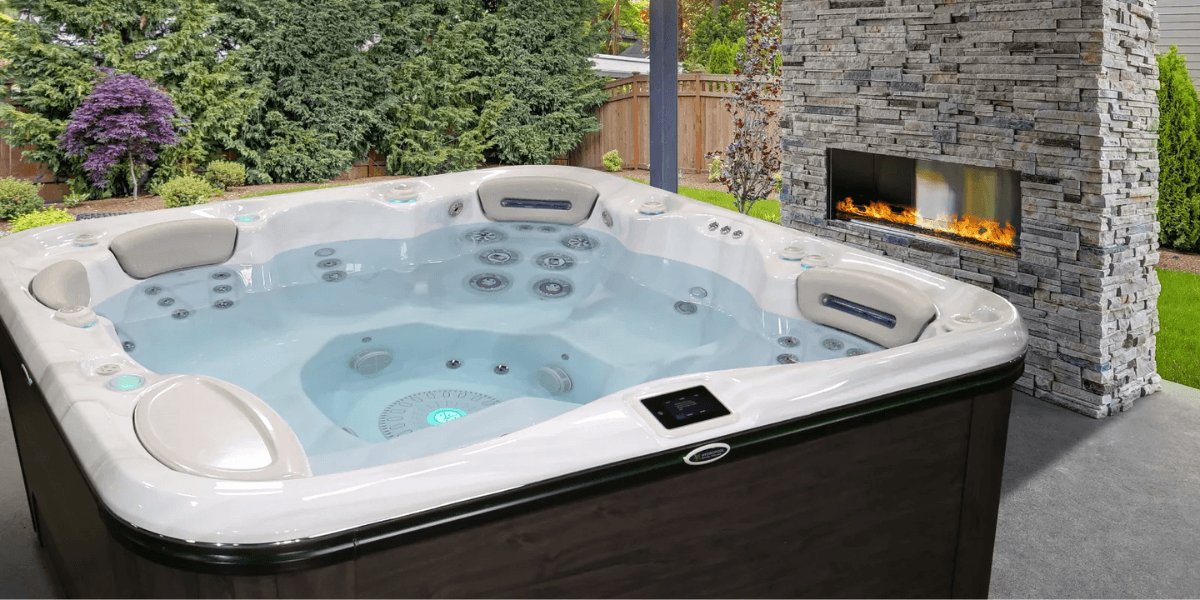
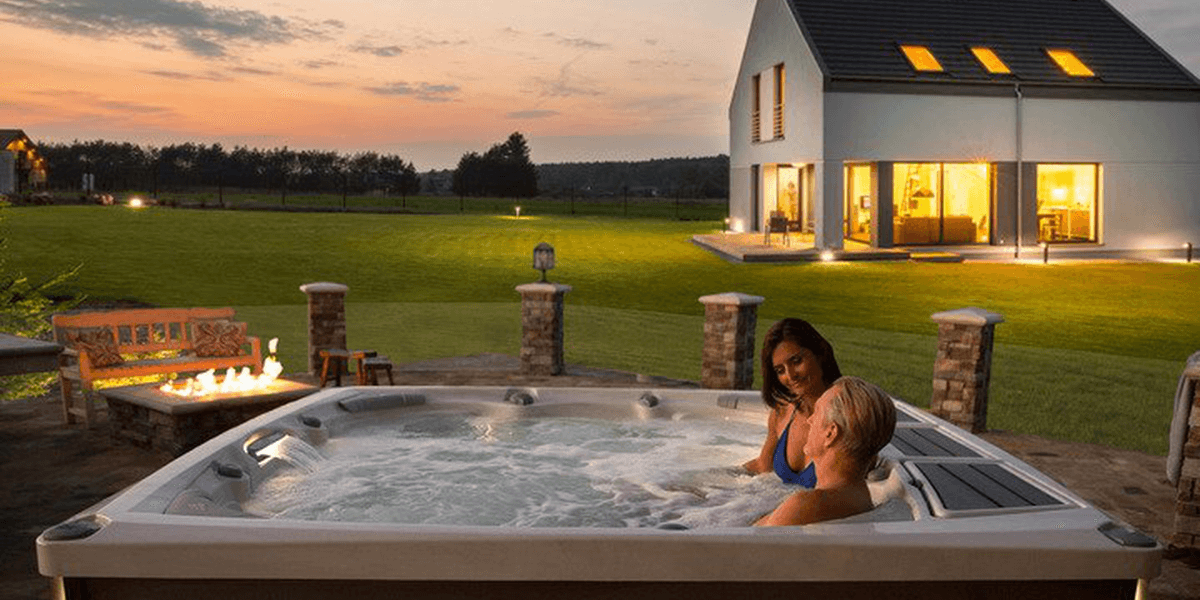
Adding a hot tub to a garden, patio, or outdoor living area is an exciting upgrade, yet size selection often causes confusion. Seating numbers listed by manufacturers look straightforward, though real-world comfort depends on more than a headcount. A well-chosen spa supports relaxation, social time, and long-term satisfaction, while a poorly sized one can feel restrictive or impractical. This hot tub size guide explains how capacity works, what affects usable space, and how to match a spa to your lifestyle without guesswork.
Understanding Hot Tub Capacity
Hot tub capacity usually refers to the number of adults a spa can seat at one time. Manufacturers calculate this using average body dimensions and upright seating positions. In practice, personal comfort varies, especially when loungers, deeper seats, or therapy zones come into play.
Typical Hot Tub Capacity Ranges
Most residential hot tubs fall into these categories:
- Small models designed for intimate use and limited outdoor areas
- Mid-sized models built for families and casual entertaining
- Large models aimed at social use and hydrotherapy sessions
- Extra-large models intended for group settings and events
Published seating numbers offer a useful starting point, though they rarely reflect how people actually use a spa. Understanding true hot tub capacity means looking beyond the brochure and focusing on layout, depth, and user preferences.
How Many People Fit in a Hot Tub?
The question of how many people fit in a hot tub depends on physical dimensions and seating style rather than marketing labels. A spa rated for six adults may feel ideal for four users who value elbow room, leg space, and unrestricted movement.
General Size Expectations
Smaller spas often measure between five and six feet across, supporting couples or solo users. Medium-sized designs typically range between six and seven feet, providing balanced seating and foot well space. Larger models extend beyond seven feet, creating room for families and guests. Extra-large hot tubs exceed eight feet, offering generous seating zones and open foot wells.
Comfort changes noticeably once loungers enter the picture. Loungers take up more space than upright seats, reducing the number of people who can sit comfortably at the same time.
Factors That Influence Real-World Capacity
Even when a spa lists a specific seating number, several elements shape the actual experience.
Seating Configuration
Bucket seats, open benches, and full-length loungers affect usable space. Loungers deliver excellent hydrotherapy yet limit seating flexibility, especially during social use.
User Height and Build
Taller adults need deeper seats and longer foot wells. Compact designs suit smaller users yet may feel restrictive for others.
Intended Use
Quiet soaking requires less personal space than conversation-heavy gatherings. Hydrotherapy sessions also benefit from unobstructed seating access and targeted jets.
Integrated Features
Waterfalls, lighting housings, and advanced jet systems occupy internal space. These features enhance enjoyment but slightly reduce seating room.
Evaluating these elements together provides a clearer picture of everyday comfort.
Choosing Hot Tub Size for Your Space
Choosing hot tub size involves practical planning as well as personal preference. Outdoor layout, access routes, and ongoing maintenance all influence the final decision.
Measuring Your Outdoor Area
Accurate measurements prevent installation issues. Leave clearance for steps, cover removal, and servicing panels. Adequate space around the spa improves safety and usability.
Structural Considerations
Filled hot tubs weigh several tons. Decking, patios, and balconies require appropriate load support. Consulting a professional before installation protects both property and investment.
Energy and Running Costs
Larger hot tubs need more water, heat, and filtration. While modern insulation reduces energy use, running costs still scale with size. Matching capacity to actual usage helps manage long-term expenses.
Shoppers exploring premium yet efficient options often consider a Hydropol Swim Spas from Blue Wave Spas due to the brand’s focus on lightweight construction and energy-conscious design.
Hot Tub Shapes and Their Effect on Seating
Shape influences how space feels inside a spa as much as size.
Square and Rectangular Designs
These shapes maximize seating and foot well efficiency. They suit families and social use, offering predictable layouts and balanced seating access.
Round Designs
Round hot tubs promote conversation and visual symmetry. Seating numbers remain lower due to curved bench seating and limited foot well separation.
Oval Designs
Oval models blend open seating with dedicated therapy zones. They support varied seating preferences while maintaining visual flow.
Selecting a shape that complements your usage style improves comfort without increasing overall size.
Comfort Considerations for Shared Use
A hot tub that technically fits several adults still needs thoughtful use to remain enjoyable.
Seating Balance
Distributing users evenly around the tub improves stability and comfort. Crowding one side affects water displacement and seating depth.
Jet Access
Not every seat offers the same jet pressure or placement. Rotating positions during longer sessions ensures everyone benefits from therapy features.
Entry and Exit Flow
Clear access points reduce awkward movement and accidental bumps. Steps and handrails improve safety for guests of all ages.
Comfort-focused planning enhances the experience for regular users and visitors alike.
Common Hot Tub Sizes and Practical Uses
Different spa sizes naturally align with different lifestyles.
Small Hot Tubs
Compact models suit couples seeking private relaxation. Limited space requirements make them ideal for patios and courtyards.
Medium Hot Tubs
Mid-sized designs accommodate families and close friends. Balanced seating supports everyday use without excessive running costs.
Large Hot Tubs
Larger spas suit households that host regularly. Extra seating and foot well space support group relaxation and therapy routines.
Extra-Large Hot Tubs
Oversized models serve social settings and events. These designs prioritize openness and shared enjoyment over individual therapy zones.
Understanding these use patterns helps set realistic expectations before purchase.
Budget and Maintenance Implications
Size directly affects both upfront investment and ongoing care.
Water Care Requirements
More water requires additional sanitizer and filtration time. Larger volumes increase chemical use and testing frequency.
Heating and Electricity
Heating larger hot tubs takes longer and consumes more energy. Well-insulated models help offset costs, though size remains a key factor.
Cleaning and Accessories
Bigger surfaces mean longer cleaning sessions and higher cover replacement costs. Factoring these elements into the budget prevents surprises later.
Balancing desired features with realistic maintenance commitments leads to better long-term satisfaction.
Conclusion
Selecting the right hot tub means aligning capacity with comfort, space, and daily habits. Published seating numbers provide guidance, yet real enjoyment comes from thoughtful evaluation of layout, features, and intended use. This hot tub size guide highlights the importance of practical planning and realistic expectations when deciding on a spa.
A carefully chosen hot tub delivers relaxation, social connection, and therapeutic benefits for years. Taking time to assess size, shape, and usage patterns ensures the investment enhances your outdoor living space rather than limiting it.
For those ready to explore options in person, Blue Wave Spas offers a wide selection, including a hot tub for sale in Ogden, Utah, with knowledgeable staff available to discuss size, features, and installation considerations. Reaching out for expert guidance can make the final decision clearer and more confident.