Many homeowners seek a personal retreat for daily relaxation without leaving the comfort of their house. The concept sounds appealing because it promises year-round access in a controlled setting. Outdoor setups remain a popular choice, with fresh air, open skies, and a backyard setting that create an experience many people enjoy. But there are solid reasons why someone would turn toward an indoor setup instead.
Choosing an indoor hot tub is about control. You control the environment, the atmosphere, and the experience every single time you step in.
The Basics Behind an Indoor Hot Tub for Home
An indoor hot tub brings a different kind of comfort into daily life. After a long day, there is no need to step outside, deal with cold air, or wait for the right moment. The experience is always within reach, just a few steps away.
What makes indoor setups stand out is the sense of consistency they offer. Outdoor tubs can be relaxing, but they depend on weather, daylight, and surroundings. However, the indoor setting stays the same every time. Lighting, temperature, and privacy remain in your control. This creates a more personal and predictable space that many people find easier to enjoy regularly.
Creating a Private Retreat: Can You Put a Hot Tub Indoors
Many homeowners wonder: can you put a hot tub inside your house, and what does it take to do so safely? The short answer is yes. However, the latter part of the question involves serious planning. The primary question is not if you can do it, but how you will manage.
Structural Support and Weight Considerations
One of the first things that needs attention is weight. A filled hot tub is heavy. Water alone adds a significant load, and when you include the shell, equipment, and people, the total weight can reach several thousand pounds.
Most standard floors are not designed for that level of pressure. Ground-level placement works best since concrete slabs provide strong support. Upper floors may require reinforcement by a professional contractor. Without proper support, the structure could weaken over time.
Managing Moisture and Humidity
Water creates moisture, and warm water creates even more. Steam builds up quickly in enclosed spaces, which can lead to mold, mildew, and damage to walls and ceilings. A good system removes excess humidity and keeps the air fresh. Exhaust fans, dehumidifiers, and even HVAC upgrades can help maintain balance.
Moisture-resistant materials also play a big role. Tiles, sealed wood, and water-resistant drywall are often used around an indoor hot tub area. These materials help prevent long-term damage and keep maintenance manageable.
Plumbing and Drainage Setup
Water access is another important part of planning. You need a reliable way to fill and drain the hot tub without causing spills or water damage. Proper drainage ensures that water flows safely away during cleaning or maintenance. A floor drain is often recommended. Without it, even a small spill can create issues in surrounding areas.
This part of an indoor hot tub installation requires careful planning. Plumbing connections should be done by professionals who understand local codes and safety standards.
Electrical Requirements and Safety
Hot tubs require electricity for heating, pumps, and controls. Indoor setups must follow strict safety guidelines due to the presence of water. Ground fault circuit interrupters are essential. They reduce the risk of electric shock. Wiring should be handled by a licensed electrician who understands how hot tubs operate indoors.
When considering installing a hot tub in your home, electrical safety should never be an afterthought. It is one of the most critical parts of the entire setup.
Space Planning and Layout
Not every room works well for a hot tub. Basements, enclosed patios, and specially designed spa rooms are common choices. These areas often have easier access for plumbing and ventilation systems. Ceiling height matters as well. Steam rises, and without enough space, it can collect quickly. Good airflow helps keep the room comfortable.
Size, shape, and seating design all affect how the tub will function in a closed environment. An indoor hot tub for the home should feel natural within the space, not cramped or overwhelming.
Flooring and Surface Protection
Water splashes are unavoidable. Floors need protection against moisture and slipping hazards. Non-slip tiles or sealed concrete are common choices. Carpet and untreated wood are not ideal near a hot tub. They absorb moisture and can develop mold over time. During an indoor hot tub installation, choosing the right flooring helps maintain safety and keeps the area clean and easy to maintain.
Maintenance and Cleaning Expectations
Indoor hot tubs require regular care just like outdoor ones. Water chemistry needs to be balanced, filters need cleaning, and surfaces need wiping. The difference lies in how moisture interacts with the surrounding space. Walls, ceilings, and floors need occasional checks for signs of dampness or mold.
An indoor hot tub often stays cleaner due to less exposure to debris, but humidity can still create hidden issues if ignored. Routine maintenance keeps everything running smoothly and extends the system’s lifespan.
Make your indoor spa dream practical and beautiful. Blue Wave Spas offers the best selection of hot tubs in Kaysville, featuring superior insulation for consistent comfort.
Benefits of Having a Hot Tub Indoors
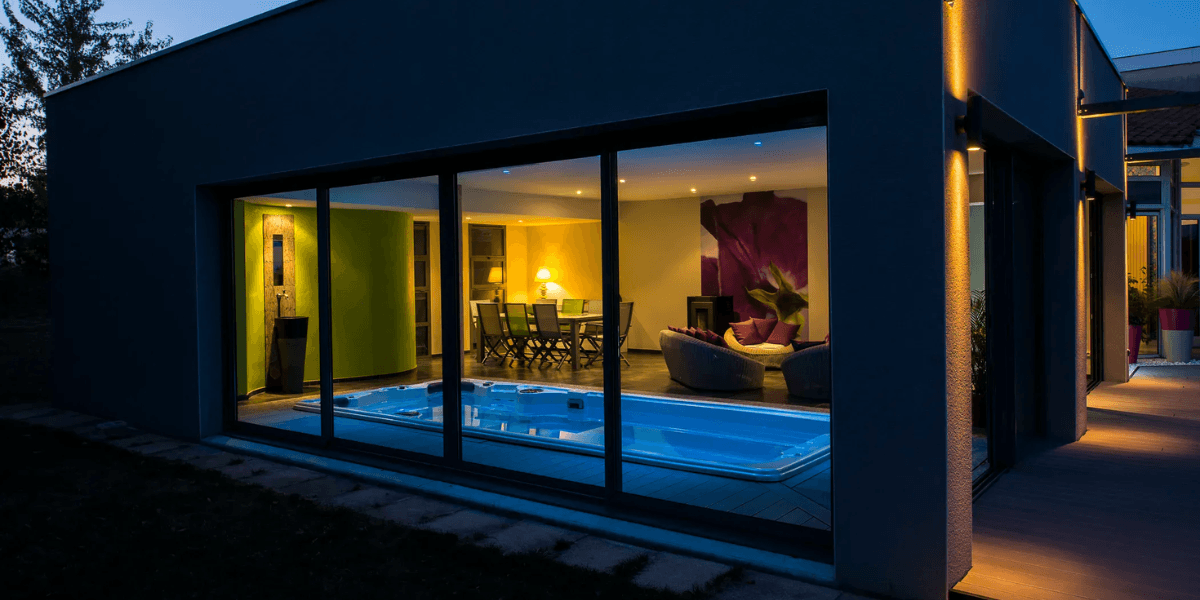
An indoor hot tub brings a unique combination of comfort, privacy, and convenience that outdoor setups cannot always match. By placing a tub inside your home, you create a personal retreat that is ready whenever you want.
Complete Privacy: You can unwind without worrying about neighbors, passersby, or outside distractions
Year-Round Use: Weather conditions like rain, snow, or extreme heat do not affect your enjoyment, making it practical in any season
Noise Control: Indoor spaces naturally reduce outside sounds, creating a peaceful environment for relaxation.
Convenience: The hot tub is always just steps away, encouraging regular use after work, workouts, or on weekends.
Cleanliness: Less exposure to outdoor debris, insects, or leaves keeps the water and surrounding space cleaner.
Enhanced Atmosphere: Lighting, décor, and temperature can be fully customized to create a personal spa-like experience
Final Thoughts
Placing a hot tub inside your home is absolutely possible, but it is not a simple plug-and-play setup. Careful planning, proper installation, and regular maintenance are essential parts of the process. An indoor hot tub can bring comfort, privacy, and relaxation within your own space. Still, it requires attention to structure, ventilation, plumbing, and safety.
If you are ready to take the next step toward creating your perfect indoor retreat, trust the experts who understand the nuances of indoor spa placement.
Protect your home from moisture issues with a spa built for indoor living. Blue Wave Spas carries options from leading brands suited for enclosed spaces. Explore our hot tubs for sale in Ogden, Utah, to find efficient models that simplify indoor installation challenges. Secure your personal sanctuary with us now.