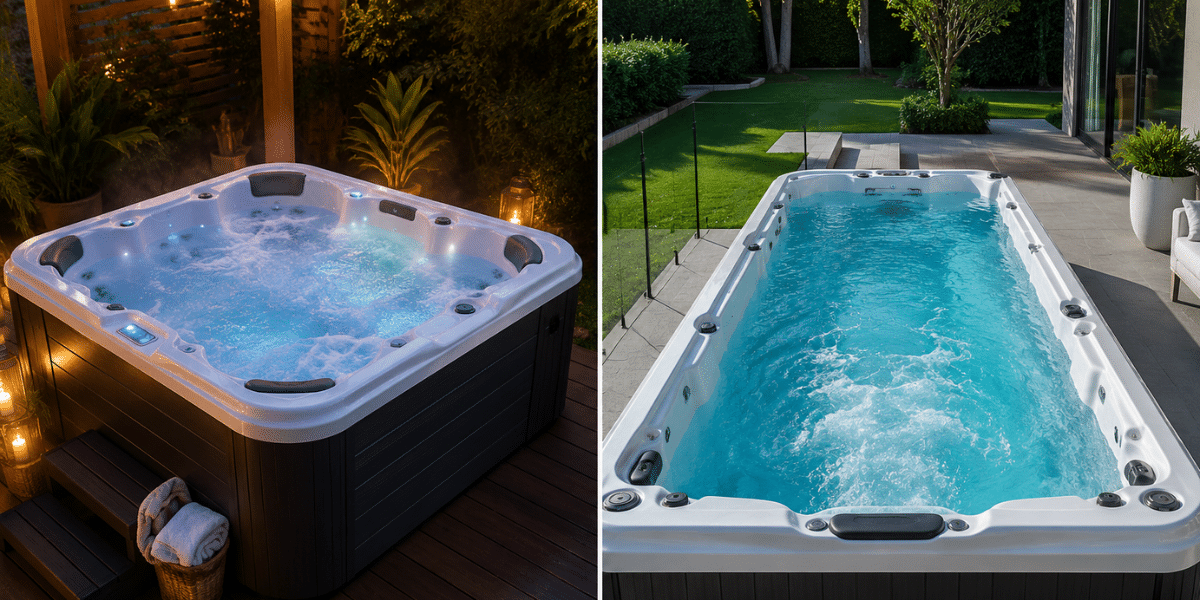

A hot tub cover works hard every day. It shields the water, holds in heat, and protects the shell from debris and weather. Yet constant sun exposure can slowly change its appearance. Many spa owners notice lightened patches, dull color, or surface cracking after months of strong UV rays.
If you are searching for the answer to: Do hot tub covers fade? Unfortunately, the answer is yes! The sunlight can slowly fade the color and material of your cover, leaving it looking dull and weaker than when it was new. But knowing how and why this happens gives you the upper hand. With the right care, you can reduce fading, extend your cover’s life, and keep your hot tub looking inviting for years.
How Sunlight Affects Hot Tub Covers?
When a hot tub sits outdoors, it gets a lot of sun exposure. Ultraviolet rays slowly break down the vinyl and other materials in your hot tub cover, causing the once‑vibrant color to fade over time. This is what people mean when they talk about sun damage to a hot tub cover.
Sunlight not only dulls the surface but also weakens the outer layer, making cracks more likely and allowing moisture to seep into the foam. Fading can be an early sign of material breakdown; it can indicate that the cover is losing strength and its protective properties.
Protecting Your Hot Tub Cover from Sun Damage
There are practical steps you can take to protect the hot tub cover from the sun and reduce fading. What you need to do is:
- One of the simplest things you can do is add a protective layer, such as a UV‑resistant spray approved for vinyl. These sprays form a surface barrier that helps slow UV-related breakdown.
- Another approach is shade. If you can place your hot tub under a pergola, gazebo, or canopy, that reduces direct exposure and slows fading. Even a well‑positioned patio umbrella can make a difference on sunny days.
- Cleaning your cover regularly also helps. Dirt, dust, and oils can speed up wear. Use a gentle vinyl cleaner and avoid harsh chemicals. Conditioning the vinyl after cleaning helps keep it supple and less prone to cracking.
- Routine inspection is important too. If you catch small cracks early, you can address them with repair kits before they grow larger and let moisture in.
Indoor Placement and Seasonal Care
UV damage to hot tub covers can significantly shorten their lifespan. If possible, placing your hot tub in a semi‑covered area gives great long‑term protection. A deck enclosure, screened porch, or shaded backyard corner can reduce direct sun exposure while still letting you enjoy the outdoors.
When summer is at its peak and UV levels are high, using a fitted cover lifter with a protective flap can reduce the amount of sun hitting the top surface. Seasonal covers that are lighter or designed for summer can also help reduce long‑term fading.
While you might not be able to prevent all sun exposure, combining shade, cleaning, protective sprays, and smart placement greatly slows aging and keeps your cover looking newer longer.
Signs Your Hot Tub Cover Is Deteriorating
Even with proper care, hot tub covers age over time. While age alone can signal that a cover may need replacing, there are other clear warning signs to watch for, such as:
- Fading in color is often the first visible sign. If you notice chalky patches, cracking at the seams, or flaking vinyl, material breakdown has likely begun due to prolonged UV exposure.
- Increased weight is another common indicator. If the cover feels unusually heavy or waterlogged, moisture has likely entered the foam core. This usually happens after the vinyl exterior weakens or small tears develop. A cover that no longer seals tightly can lead to heat loss and higher energy bills.
- Loose or brittle stitching along seams can signal weakening materials. When the thread begins to fray or split, gaps may form that allow water to seep inside.
- Cracked or stiff vinyl texture is another warning sign. Healthy vinyl should feel flexible. If it feels dry, rigid, or rough, UV damage and weather exposure may have reduced its elasticity.
- Musty or damp odor can indicate trapped moisture inside the cover. This often develops after the outer layer becomes compromised, allowing water infiltration and potential mildew growth.
- Difficulty securing straps or locks may point to shrinking material or structural warping. If the cover no longer aligns properly with the spa shell, insulation performance can decline.
Recognizing these signs early allows you to apply protective treatments or plan for replacement before the hot tub experiences significant heat loss or rising maintenance costs.
Choosing a Long‑Lasting Hot Tub Cover
If you know your hot tub will stay outdoors, look for covers designed with high UV resistance. Some premium covers are made with thicker vinyl and better protective coatings. While these can cost more upfront, the longer lifespan and slower fading often make the investment worthwhile.
Check for warranties that specifically mention sun exposure protection. Some manufacturers guarantee against material failure for a certain period, which gives you extra peace of mind. Regular maintenance goes hand in hand with choosing the right cover. A durable cover paired with seasonal care, protective sprays, and shaded placement will serve you well for years.
Key Takeaways
Sunlight affects most hot tub covers over time. UV rays break down vinyl molecules, leading to damage and color loss. You can protect the hot tub cover from the sun by using shade, protective sprays, regular cleaning, and smart placement. Watching for signs of deterioration lets you act before bigger issues arise. Taking these steps helps your investment last longer and keeps your spa experience enjoyable.
If you are on a hunt for a new spa and accessories, consider a hot tub for sale in Ogden, Utah, at Blue Wave Spas. We feature the models from top brands that give you dependable performance that you can enjoy for years. A bit of care goes a long way toward keeping both your tub and cover looking great in the sun.