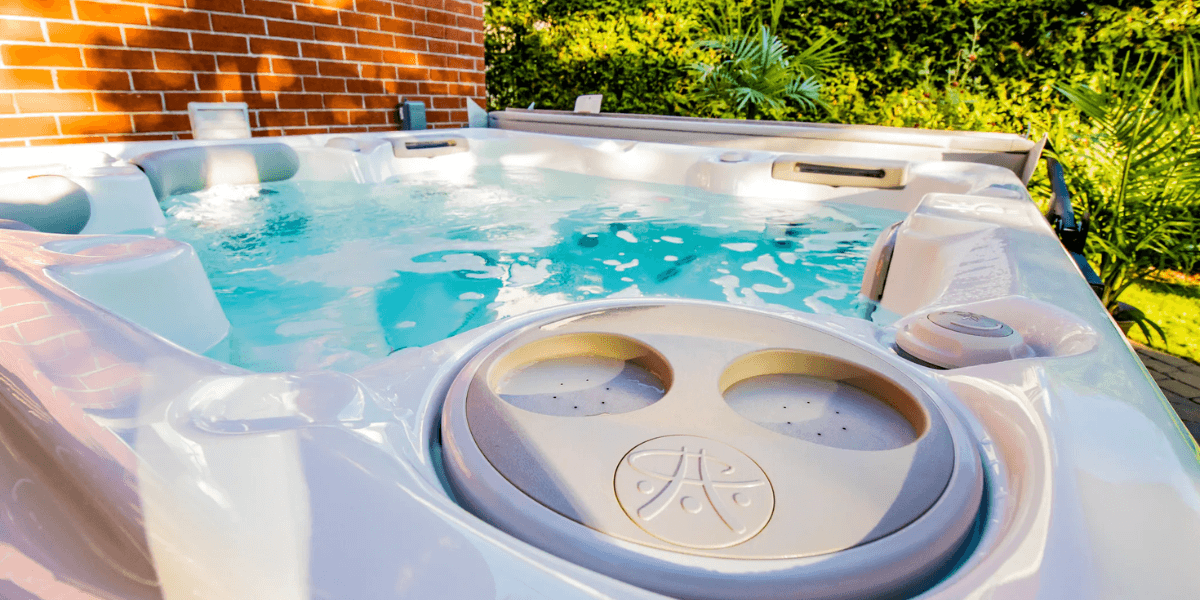

Arthritis can make even simple daily movements feel like a struggle. The stiffness, pain, and inflammation that come with it often lead people to search for natural, soothing ways to find relief. One option that has gained attention is hydrotherapy, specifically, using a hot tub. The warmth of the water, its buoyancy, and the massaging action of jets can bring noticeable comfort to aching joints.
But are hot tubs truly good for arthritis, or is it just temporary relief? Let’s take a closer look at how hot tub therapy for arthritis works, its benefits, and what to consider before adding this relaxing ritual to your wellness routine.
Understanding Hot Tub Therapy for Arthritis
Arthritis affects millions of people, limiting movement and causing chronic pain. While there’s no cure, certain therapies can help manage symptoms effectively. One of those is hydrotherapy, or water-based therapy, which includes soaking in a hot tub. The combination of heat, buoyancy, and gentle water massage can reduce stiffness, improve blood circulation, and relax tense muscles, all vital for arthritis relief.
When you step into warm water, your body undergoes several positive physiological changes. Blood vessels expand, improving circulation, while the water supports your body weight, easing pressure on joints. These changes together can offer significant comfort and relaxation to people living with arthritis.
How Warm Water Helps Arthritic Joints?
- Heat Reduces Pain and Stiffness
The heat of a hot tub increases blood flow to the tissues and muscles, which helps reduce inflammation and promote healing. This gentle warmth can soothe sore joints and ease stiffness, making it easier to move and stretch.
- Buoyancy Lowers Joint Stress
Hot tub water supports the body’s weight, which minimizes joint pressure and allows for smoother movement. This buoyant environment makes it possible to exercise joints that might otherwise feel too painful to move on land.
- Jets Provide Targeted Massage
The pulsating jets in hot tubs for arthritis are designed to deliver a therapeutic massage effect. Directing these jets toward sore areas like the knees, hips, or back can relieve muscle tension and ease localized discomfort.
- Psychological Benefits Matter
Relaxation isn’t just physical. Soaking in warm water also helps reduce stress and anxiety, which can indirectly lower pain levels. When the body relaxes, it produces endorphins, natural chemicals that help improve mood and decrease pain perception.
Evidence and Medical Perspective
Doctors and physical therapists often recommend hydrotherapy for people with arthritis. Research shows that consistent use of a hot tub for arthritis pain relief can improve mobility, reduce stiffness, and improve overall well-being. However, professionals emphasize that hot tubs work best when combined with other treatments like medication, exercise, and a healthy diet.
While a hot tub won’t cure arthritis, it can make living with it far more manageable.
Who Benefits Most from Hot Tub Use?
- Osteoarthritis and Rheumatoid Arthritis
Both osteoarthritis and rheumatoid arthritis sufferers can benefit from regular hot tub use. Warm water relaxes tight muscles and increases circulation around affected joints, helping to reduce pain. Just be cautious during flare-ups and always consult your doctor before soaking.
- People with Limited Mobility
For people who find traditional exercise difficult, a hot tub provides a safe, supportive environment for gentle movement. It can improve flexibility and make it easier to perform therapeutic exercises.
- Individuals Needing Stress Relief
Arthritis can take an emotional toll. The calming effects of a hot tub help reduce stress and promote better sleep. This is how people can cope with the daily challenges of chronic pain.
Safety Tips for Using a Hot Tub with Arthritis
- Keep Temperatures Moderate
Strive for a water temperature between 92°F and 100°F. Higher temperatures can strain your cardiovascular system, especially if you have heart issues or low blood pressure. Always test the water before entering.
- Limit Soak Time
Start with 10 to 20 minutes to see how your body reacts. Longer sessions can cause dehydration or lightheadedness, so it’s best to keep them short and effective.
- Stay Hydrated
Warm water increases sweating, so make sure to drink plenty of water before and after your soak to prevent dehydration.
- Adjust Jets Carefully
Use the jets at a comfortable pressure. Position yourself so the jets target sore muscles without causing discomfort or forcing awkward movements.
- Avoid Soaking During Flare-Ups
If a joint is swollen, red, or extremely tender, wait until the inflammation subsides. Using heat during active inflammation can sometimes make symptoms worse.
Exercises to Try in a Hot Tub
- Gentle Range-Of-Motion Movements
Try slow stretches like shoulder rolls, knee bends, and ankle circles while submerged. The water’s buoyancy makes these movements easier and less painful.
- Isometric Strengthening
Perform gentle muscle contractions against the resistance of water. This strengthens muscles that support the joints without stressing them.
- Flexibility Stretches
Hold gentle stretches for 10 to 15 seconds. Warm water helps loosen muscles, increasing flexibility and comfort.
Choosing The Best Hot Tubs for Arthritis
- Adjustable Jets Are Key
When choosing the best hot tubs for arthritis, look for ones with adjustable jets. These let you control water flow and pressure, so you can target your most painful areas.
- Comfortable Seating
Ergonomic seating provides better support, especially for people with lower back or hip pain. Choose a model that allows you to relax without straining to stay upright.
- Easy Access
If mobility is limited, pick a hot tub with steps, handrails, and a lower entry height. These features make it safer and easier to get in and out.
- Simple Maintenance
Clear water and proper chemical balance are essential for safety. Go for a hot tub with easy maintenance systems and reliable filtration.
Integrating Hot Tub Therapy into Your Routine
Make hot tub therapy part of a balanced arthritis care plan. Combine it with gentle exercise, physical therapy, and healthy lifestyle habits. Track your progress and discuss your routine with a healthcare professional to make sure that it fits your needs. Over time, consistent use can improve flexibility, reduce pain, and improve overall quality of life.
If you’re ready to experience soothing relief, explore hot tubs in Kaysville with Blue Wave Spas and discover models designed with therapeutic comfort in mind.
Conclusion
So, are hot tubs good for arthritis? In some cases, definitely yes. The warmth, buoyancy, and massage action of the water work together to ease pain, relax muscles, and improve mobility. When used safely and regularly, a hot tub can effectively help manage arthritis symptoms and improve daily comfort.
Hot tubs provide soothing, temporary arthritis relief. The goal isn’t to cure the condition but to help manage pain and improve function. With regular use, many people find they can move more comfortably and sleep better. The warm water and massage effect can become a comforting ritual that supports both physical and mental wellness.
Looking for something specific? Have a look at the Dream Maker hot tub for sale from Blue Wave Spas, a trusted choice for comfort, relaxation, and relief!